
A Journey to the Roof of the World through Nepal and Tibet

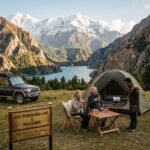
This 16-day journey combines Nepal’s vibrant landscapes and cultural richness with Tibet’s spiritual and geographical wonders. Guests travel comfortably in private vehicles, ensuring a seamless experience as they explore Nepal’s scenic valleys, vibrant cities, and serene lakes, followed by Tibet’s vast high-altitude plains and spiritual landmarks. From the cultural treasures of Kathmandu and the natural beauty of Chitwan and Pokhara to the majestic Everest Base Camp and Potala Palace in Tibet, this journey offers an immersive adventure and spiritual connection reenergizing the body mind and soul.
HIGHLIGHTS
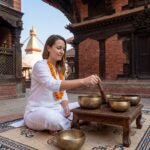
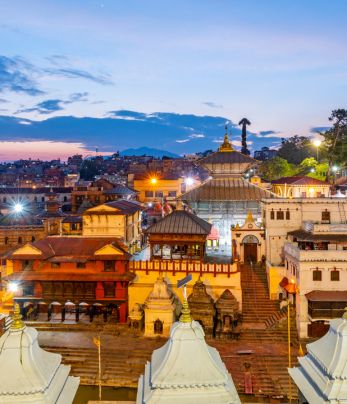
- Explore UNESCO World Heritage Sites like Pashupatinath, Swayambhunath, and Kathmandu Durbar Square.
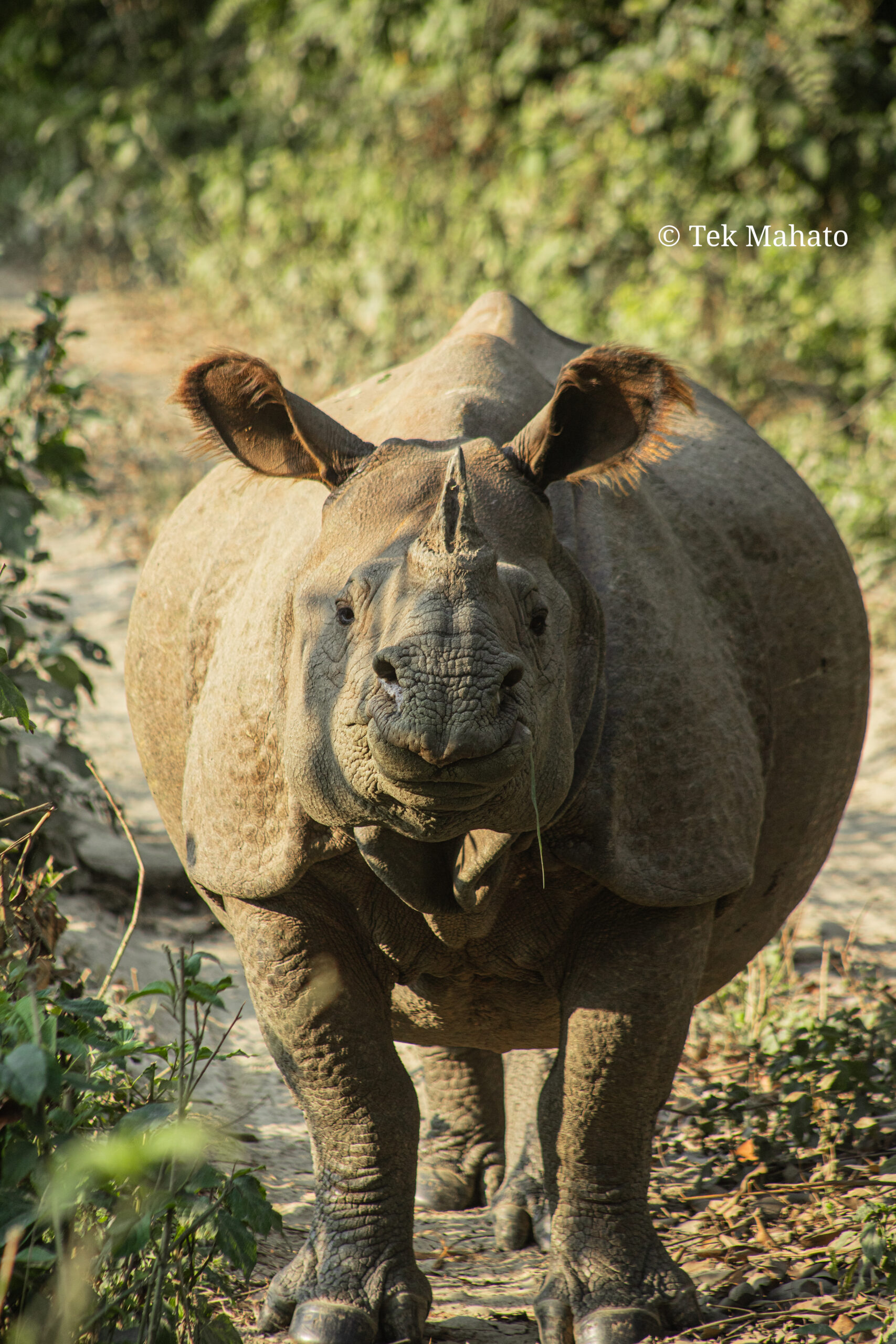
- Encounter wildlife such as one-horned rhinoceroses and Bengal tigers, with a peaceful canoe ride on the Rapti River.
- Admire Phewa Lake, Davis Falls, and the Annapurna range, complemented by a visit to the International Mountain Museum.
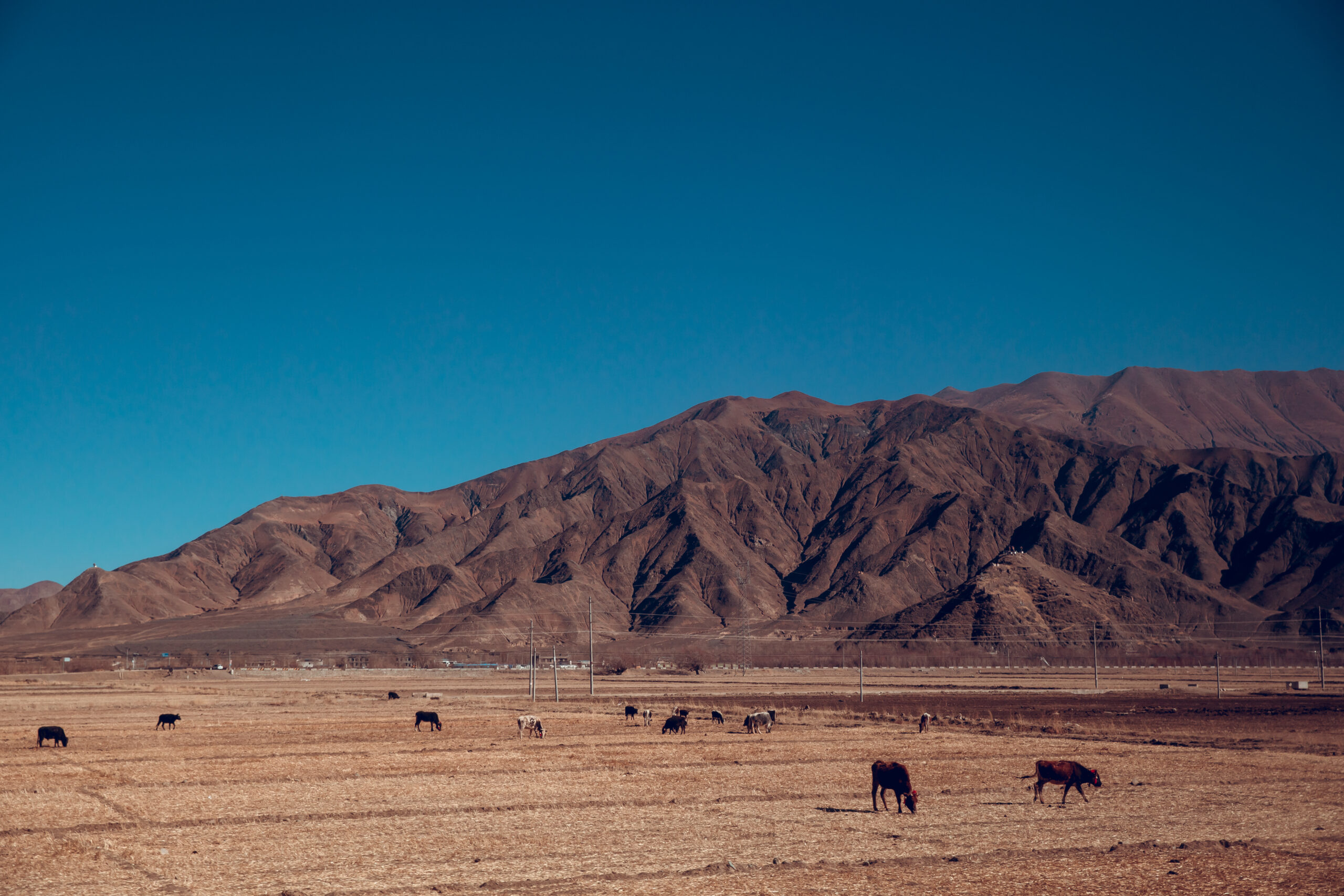
- Experience the contrast between Nepal’s lush valleys and Tibet’s rugged, high-altitude landscapes.
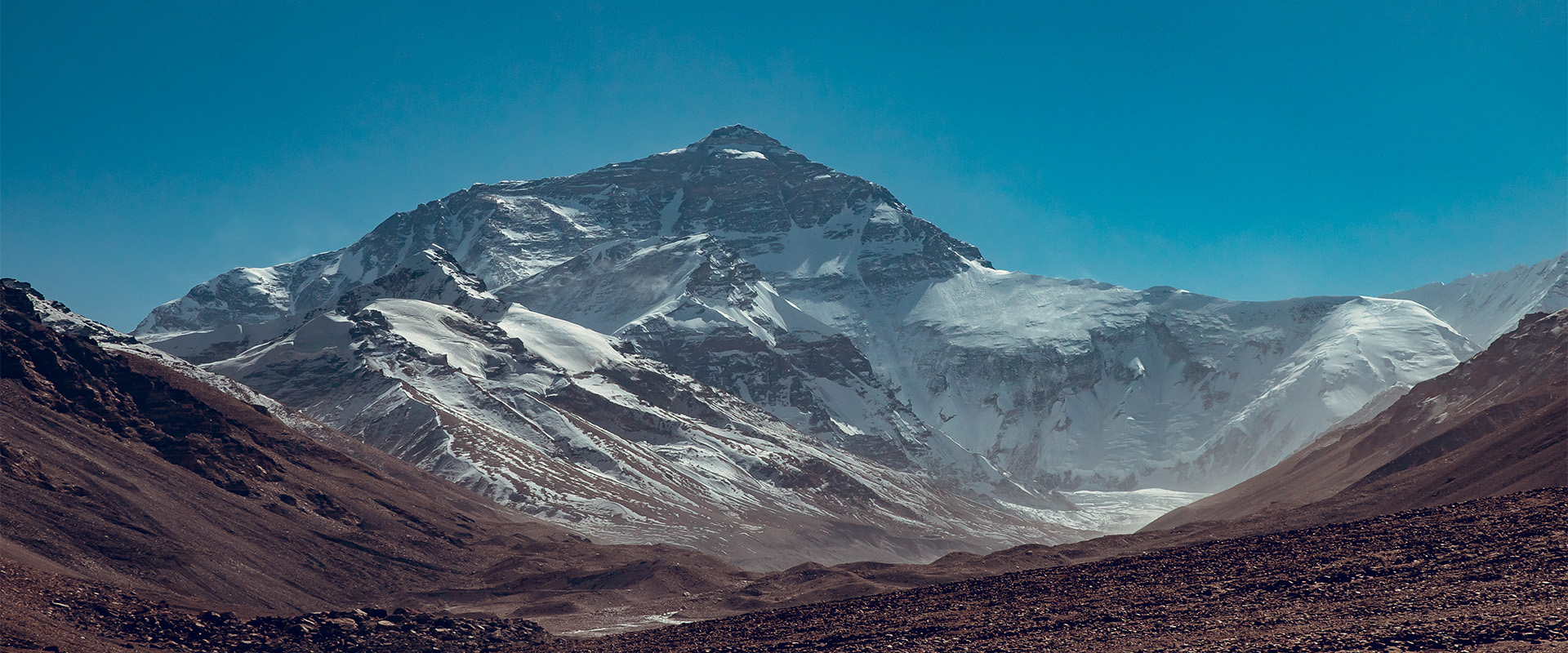
- Stand in awe of Mount Everest at its base camp.
- Visit the stunning Potala Palace, Jokhang Temple, and Barkhor Street, diving into Tibet’s spiritual heart.
- Capture breathtaking Himalayan vistas for a truly memorable journey.
WHAT IS INCLUDED IN YOUR EXPERIENCE
- Accommodation: Twin-sharing accommodations in star category hotels in Kathmandu and Pokhara; comfortable eco-lodge in Chitwan; standard guesthouses or hotels throughout the Tibet journey (Kyirong, Tingri, Shigatse, Lhasa).
- Meals: Daily breakfast throughout the tour; full board (breakfast, lunch, dinner) during Chitwan & Tibet stay; welcome and farewell dinners in Kathmandu.
- All Ground Transportation: Private, comfortable vehicles for all overland travel, including Kathmandu–Chitwan–Pokhara–Tibet border, and throughout the Tibet segment including Everest Base Camp, Lhasa, and back.
- Airport & Border Transfers: Private transfers to/from Tribhuvan International Airport and all cross-border logistics between Nepal and Tibet.
- Sightseeing Tours: Fully guided tours in Kathmandu, Pokhara, Chitwan, and Lhasa with entrance fees.
- Tibet Travel Permits & Visa Assistance: Tibet Travel Permit, Group Chinese Visa facilitation, and other required regional permits.
- Everest Base Camp Visit: Overland journey to North Everest Base Camp (Tibet side) with time for exploration and photography.
- Experienced Guides: Licensed English-speaking cultural guide in Nepal and professional Tibetan guide during the Tibet overland segment.
- First Aid & Emergency Kit: Basic first aid kit carried by guides; oxygen cylinder provided during high-altitude Tibet segments for emergency use.
- Entrance & Permit Fees: All applicable national park fees, monument entrance fees, and conservation permits.
- Taxes & Service Charges: All government taxes, tolls, and applicable service charges included.
WHAT IS NOT INCLUDED
- International Airfare: Flights to and from Nepal are not included in the package.
- Nepal Visa Fees: Tourist visa fee for Nepal (available on arrival) is not included.
- Chinese Group Visa Fee: Visa fee for entry into Tibet via group visa is not included (must be paid during processing).
- Travel Insurance: Mandatory high-altitude travel insurance (including emergency evacuation coverage) must be arranged by participants.
- Meals Not Specified: Lunches and dinners in cities unless specifically mentioned in the itinerary.
- Personal Expenses: Items of a personal nature such as drinks, snacks, laundry, internet, souvenirs, etc.
- Tips: Tipping for guides, drivers, and other staff is not included and is up to each guest.
- Optional Activities: Any activities or services not mentioned in the itinerary.
- Emergency Evacuation Costs: Any costs for emergency evacuation by helicopter or other means are not included.
- Unforeseen Costs: Expenses due to natural calamities, weather delays, political unrest, or road blockages.
- Extra Services: Any services beyond the itinerary such as extra nights, alternative routes, or private requests.
From our gallery
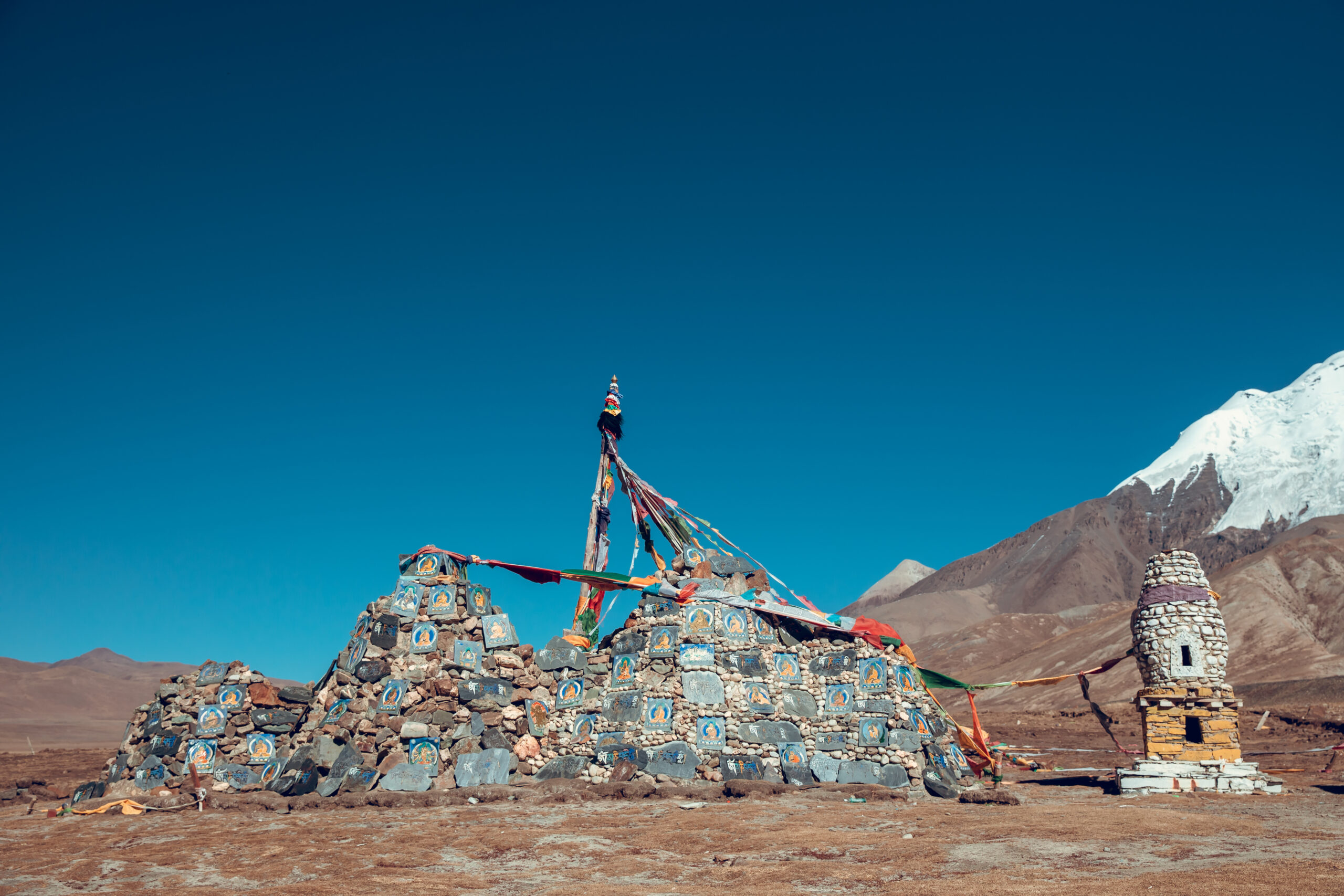
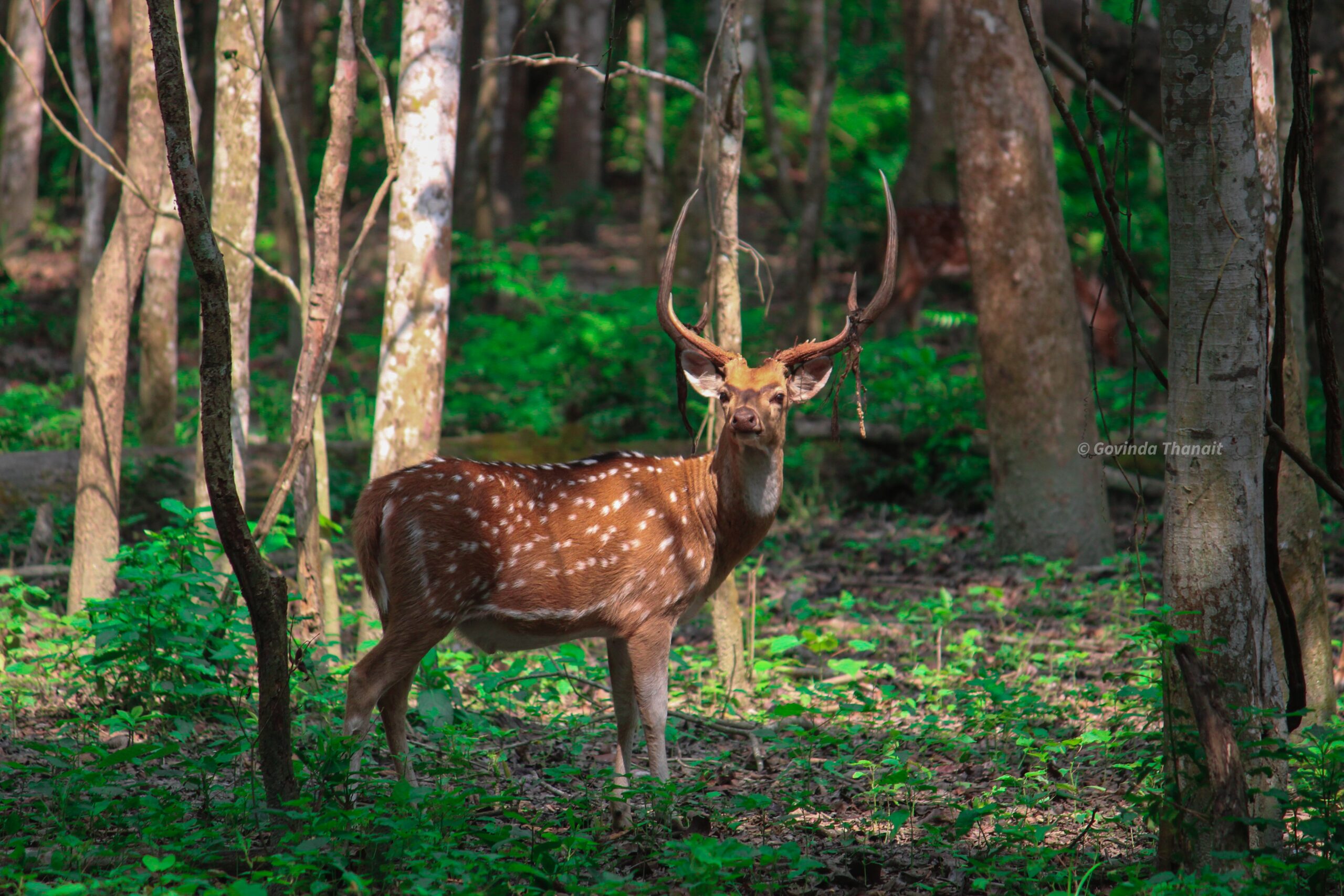
Some of the glimpses of Nepal and Tibet.
Tour Plan
Arrival in Kathmandu
Drive to Chitwan
Full-Day Chitwan Excursion
Drive to Pokhara
Full-Day Pokhara Sightseeing
Drive Back to Kathmandu
Drive to Kyirong
Kyirong to Tingri (via Paiku Tso Lake)
Tingri to Everest Base Camp (EBC) to Shigatse
Drive to Lhasa
Full-Day Lhasa Sightseeing
Lhasa to Shigatse (via Gyantse)
Drive Back to Kyirong
Drive from Kyirong to Kathmandu
Kathmandu Sightseeing
Final Departure
16 Days Nepal & Tibet: Journey to the Roof of the World
Kathmandu • Chitwan Safari • Pokhara • Kyirong • Paiku Tso • Tingri • Everest Base Camp (5,200m) • Shigatse • Gyantse • Lhasa
Elevation Profile (Meters / Feet Above Sea Level)
Hover or tap on points to view daily elevations and milestone highlights| Day | Destination / Highlight | Altitude (m / ft) | Key Experience & Activities | Handpicked Luxury Lodge |
|---|